
01733 555 238 | 01157 842 743 | enquiries@tkelectrics.co.uk
Menu
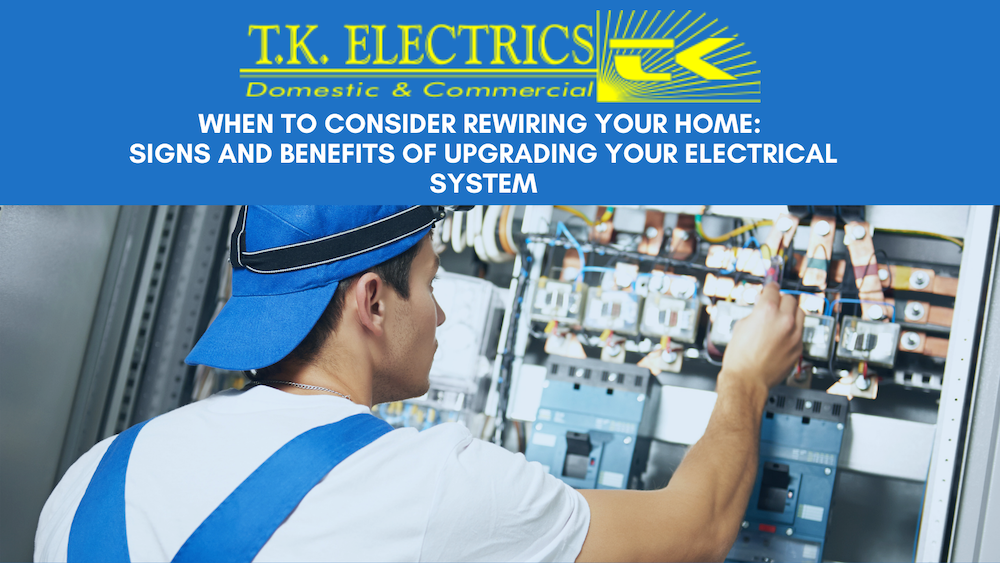
Electricity is the backbone of modern life. It powers our homes, lights up our workplaces, and keeps our appliances and devices running smoothly. In cities like Peterborough and Nottingham, where both historical and contemporary homes coexist, ensuring that your electrical system is up to date is essential for safety, efficiency, and peace of mind.
However, as crucial as electricity is, it’s often taken for granted—until something goes wrong. This is where the importance of maintaining and, when necessary, upgrading your home’s electrical system comes into play. Rewiring your home is a significant undertaking, but it’s one that can yield numerous benefits, from enhanced safety to improved functionality.
Understanding the Need for Rewiring
Rewiring involves replacing outdated or faulty electrical wiring and components in a home. While the thought of rewiring may seem daunting, it is a necessary step for many homeowners, especially those living in older properties. Over time, electrical systems can deteriorate due to wear and tear, or they may simply become outdated as newer, safer standards are introduced.
Signs That Your Home Needs Rewiring
How do you know if your home needs rewiring? Here are some key signs that indicate it may be time to consider upgrading your electrical system:
If you experience frequent problems like blown fuses, tripped circuit breakers, or flickering lights, it’s a strong indication that your wiring may be failing. These issues are not just inconveniences—they can be early warnings of more serious electrical problems.
Homes built more than 30 years ago may have outdated wiring systems that are not equipped to handle the electrical demands of modern appliances and devices. Common outdated wiring types include aluminium wiring and knob-and-tube wiring, which can be unsafe by today’s standards.
If you notice that your outlets are discoloured, scorched, or warm to the touch, it’s a clear sign that something is wrong. This could indicate overheating, which is a serious fire hazard and should be addressed immediately.
A burning smell or strange odours coming from outlets, switches, or electrical panels is a strong indication of overheating or melting insulation. This is a critical issue that requires immediate attention and may necessitate rewiring.
Lights that dim or flicker when you turn on other appliances may indicate that your electrical system is overloaded. This can happen when an old wiring system is unable to supply the necessary power to all of your devices simultaneously.
Older homes were not designed with the number of electrical devices we use today in mind. If your home has too few outlets, leading to the overuse of extension cords and power strips, it’s a sign that your electrical system may need an upgrade.
If your home still has an old fuse box instead of a modern circuit breaker panel, it’s a sign that your electrical system may be outdated. Fuse boxes are generally less safe and less convenient than circuit breaker panels, which are standard in modern homes.
If you experience small electric shocks when plugging in or unplugging devices, it’s a serious warning sign that your electrical system may be faulty or deteriorating. This can be dangerous and should be addressed by a professional immediately.
Benefits of Upgrading Your Electrical System
Rewiring your home is not just about fixing problems; it’s also about reaping the benefits of a modern, safe, and efficient electrical system. Here are some key advantages of upgrading your electrical wiring:
The most significant benefit of rewiring your home is the enhanced safety it provides. Modern wiring systems are designed to meet current safety standards, significantly reducing the risk of electrical fires, shocks, and other hazards. With a new wiring system, you can rest easy knowing that your home is safe for you and your family.
Older wiring systems can be less energy-efficient, leading to higher electricity bills. Upgrading to a modern system can improve energy efficiency, helping you save money in the long run. Additionally, modern wiring is better equipped to handle energy-efficient appliances and lighting systems, further reducing your energy consumption.
Rewiring your home can also increase its value. Potential buyers are often willing to pay more for a home with a modern, safe electrical system, knowing they won’t have to worry about making this major upgrade themselves. This is especially important in competitive housing markets like those in Peterborough and Nottingham.
A modern electrical system offers greater functionality, with more outlets, better lighting options, and the capacity to support modern appliances and technology. Whether you’re setting up a home office, installing a new entertainment system, or simply want to avoid the hassle of extension cords, rewiring can make your home more convenient and comfortable to live in.
Electrical standards and regulations have evolved over the years, and older wiring systems may not comply with current codes. Rewiring ensures that your home meets the latest safety and performance standards, reducing the risk of legal issues and ensuring peace of mind.
As technology continues to evolve, our homes need to keep pace. Rewiring your home not only addresses current electrical needs but also prepares your home for future technological advancements. Whether it’s integrating smart home technology or preparing for new appliances, a modern electrical system ensures your home is ready for whatever the future holds.
The Rewiring Process: What to Expect
If you’ve identified the signs that your home may need rewiring and you’re ready to take the next step, it’s important to understand what the rewiring process involves.
The first step in the rewiring process is to have a qualified electrician conduct a thorough assessment of your home’s electrical system. This assessment will help determine the extent of the rewiring needed and identify any specific issues that need to be addressed.
Once the assessment is complete, the next step is to plan the rewiring project. This involves mapping out the new wiring routes, determining the location of new outlets and switches, and ensuring that all work complies with current electrical codes and standards.
The actual rewiring process involves replacing the old wiring with new, safer wiring. This may require opening walls, floors, or ceilings to access the existing wiring, so some disruption is to be expected. However, a professional electrician will work efficiently to minimise the impact on your home.
In many cases, rewiring will also involve upgrading your home’s electrical panel to accommodate the new wiring and any additional circuits that may be needed. A modern circuit breaker panel is safer and more convenient than older fuse boxes and can handle the demands of today’s electrical devices.
After the rewiring is complete, the electrician will conduct thorough testing to ensure that the new system is safe and functioning correctly. Once everything is confirmed to be in order, you will receive certification that your home’s electrical system meets current standards and regulations.
Choosing the Right Electrical Services Provider
Rewiring your home is a significant investment, so it’s important to choose the right electrical services provider for the job. Here are some tips for selecting a qualified and reliable electrician:
Ensure that the electrician is fully qualified and has experience in rewiring homes. In the UK, look for electricians who are registered with recognised bodies like the National Inspection Council for Electrical Installation Contracting (NICEIC) or the Electrical Contractors’ Association (ECA).
A reputable electrician should be able to provide references from previous clients or have positive reviews online. Don’t hesitate to ask for testimonials or to check their reputation on review platforms.
Before committing to the rewiring project, ask for a detailed quote that outlines the costs involved, including materials, labour, and any additional expenses. This will help you avoid unexpected costs and ensure that the project stays within budget.
Make sure that the electrician is familiar with and adheres to current electrical standards and regulations. This is crucial for ensuring the safety and legality of the work being done.
Electricity is a vital part of our lives, and maintaining a safe, efficient, and modern electrical system in your home is essential. If you’ve noticed signs that your home’s wiring may be outdated or faulty, it’s worth considering a rewiring project to enhance safety, improve functionality, and add value to your property.
For homeowners in Peterborough, Nottingham, and surrounding areas, investing in a professional rewiring service is a step towards a safer, more efficient, and future-ready home. With the help of qualified and experienced electricians, you can ensure that your home’s electrical system is in top working condition, providing peace of mind and reliable performance for years to come.
If you’re considering rewiring your home, our team of qualified electricians is here to help. With experience in handling everything from basic installations to total rewires, we guarantee a professional and friendly service, working to the highest standards to ensure your home is safe and compliant with all current regulations. Contact us today to schedule an assessment and take the first step towards upgrading your home’s electrical system.

